
Newsletters / Mikhail Khodorkovsky Spring Review

Dear Friends and Colleagues,
As we approach the Spring season, I have been busy reflecting on the key events that took place recently.
A new way to follow our work on Substack
Thank you for reading my updates: some of you have been with me for a long time, and I don’t take that for granted.
I have spent decades studying and opposing the Putin regime — first as a businessman, then as a political prisoner, now as the founder of NEST Centre. I work to end Putin’s regime and build a democratic Russia.
I am reaching out to share something new: together with the NEST Centre (https://nestcentre.org/ ) team we have launched a Substack How to Slay a Dragon for timely analysis on Russia, its foreign policy, and the geopolitical events that affect us all. I hope to update Substack more frequently and use it as a place where I can respond to events as they happen. It is where I share what must happen — and what comes next.
The first post is my analysis of what Putin really gains from the war in Iran. I hope you’ll subscribe now and join me there to make sense of where Russia is heading and what it means for the rest of the world.
On 7 April 2026, the Rafael del Pino Foundation organised the Dialogue between Mikhail Khodorkovsky and Mira Milosevich: “Russia after Putin: scenarios for the opposition and the future of the regime“.
At a time marked by the erosion of the liberal order and the intensification of geopolitical rivalry, the dialogue addressed one of the most relevant unknowns on the international scene: what can be expected of Russia beyond Vladimir Putin. However, far from focusing on the short term or on hypotheses of succession, the conversation turned to a deeper question: to what extent is a real transformation of the Russian political system possible?
The Journalism as a Profession Award winners for 2025 announced
At the end of February, we held in Berlin our annual Journalism as a Profession Awards ceremony. It feels like only yesterday that we at Open Russia first founded the award, but it has been 10 whole years! As always, a huge number of talented journalists were nominated for their groundbreaking work.
The prize recipients are listed below – please do read and watch their materials. And, of course, my heartfelt congratulations go to the winners!
And the Oscar goes to … Mr. Nobody Against Putin
Congratulations to everyone involved in ‘Mr. Nobody Against Putin’ on winning the Oscar for Best Documentary.
If you haven’t seen it yet, you should. It’s an extraordinarily insightful film that shows exactly how dictatorships sink their claws into institutions and use them to shape everyday life under their rule. It exposes the true depth and reach of Putin’s propaganda in Russian society.
Countering propaganda is one of the most important parts of our work, and few films have done more in this fight than ‘Mr. Nobody Against Putin.’ Putin’s propaganda is a weapon, perhaps even more dangerous than nuclear arms. It is the fuel driving the war against Ukraine.
This is a phenomenal achievement by Pavel Talankin, David Borenstein, and everyone else involved. I’m proud that one of my foundations supported the film’s impact campaign and its awards and festival promotion, helping it reach the widest possible audience.
Mr. Nobody Against Putin is one of the most important anti-war statements of our time. The Oscar and the BAFTA were both richly deserved.
Platform for Dialogue with Russian Democratic Forces at PACE
After more than two years of work, the Russian Democratic Forces Platform at PACE has been successfully established. A huge thanks to all who contributed their time and political authority to these efforts.
The Platform’s composition is highly representative on PACE’s side (the President, the heads of all political factions…) as well as from the Russian side – all of the most significant Russian anti-war political movements are involved. All of them also signed the Berlin Declaration.
In my view, the way the Platform was formed was provisional in nature, and as a consequence it should later be revisited through an electoral process among anti-war Russians.
But the main thing now is to demonstrate the effectiveness of the new institution in representing the interests of this sector of Russian society, defending the rights of victims of Putin’s aggression, protecting the legal interests of Ukraine, and facilitating an end to the war.
In the media:
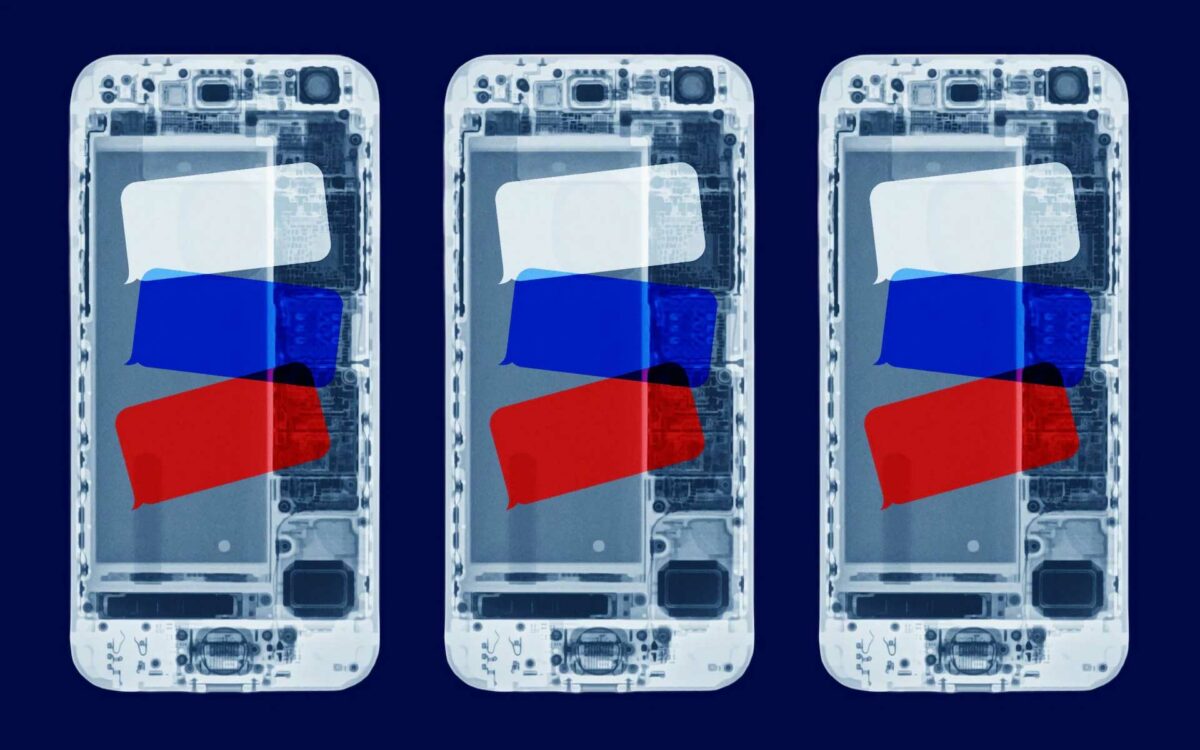
The Telegraph: The Kremlin’s new attack on free speech will backfire (EN)
The Telegram ban shows that Putin fears losing control – but it will mean more Russians escape the state’s hegemonic narrative
The Kremlin is once again attempting to tighten its grip on Russian society, this time turning its attention to Telegram, a platform that has been deeply embedded in the country’s digital, economic and military life.
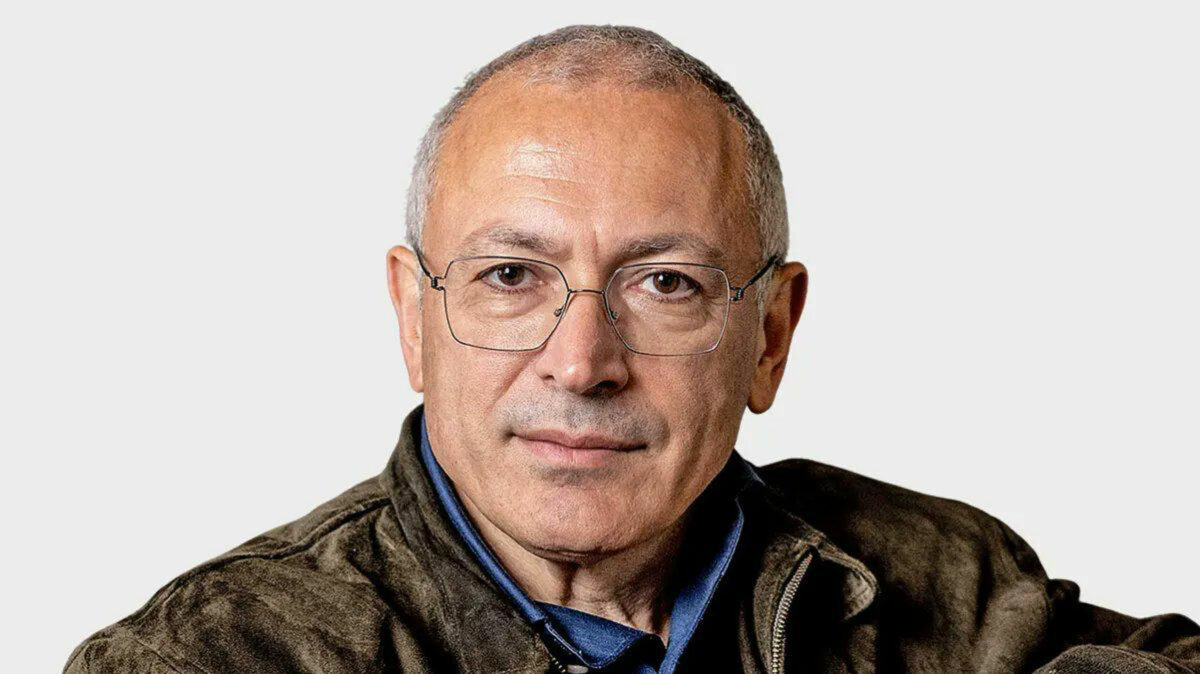
The Times and The Sunday Times: Iran war’s big winner is Vladimir Putin — if it ends soon (EN)
Six-week time frame would let Russia boost its coffers and influence a split in western allies
A common argument in the discussion about the US and Israeli military operation in the Middle East is that Vladimir Putin is the main economic beneficiary of this war. The logic is simple: he will be able to sell more oil at higher prices and direct the proceeds to the war against Ukraine.
Whether the Iranian regime will endure remains an open question. The same applies to the timeline for the end of the war’s active phase and where this will leave Putin.
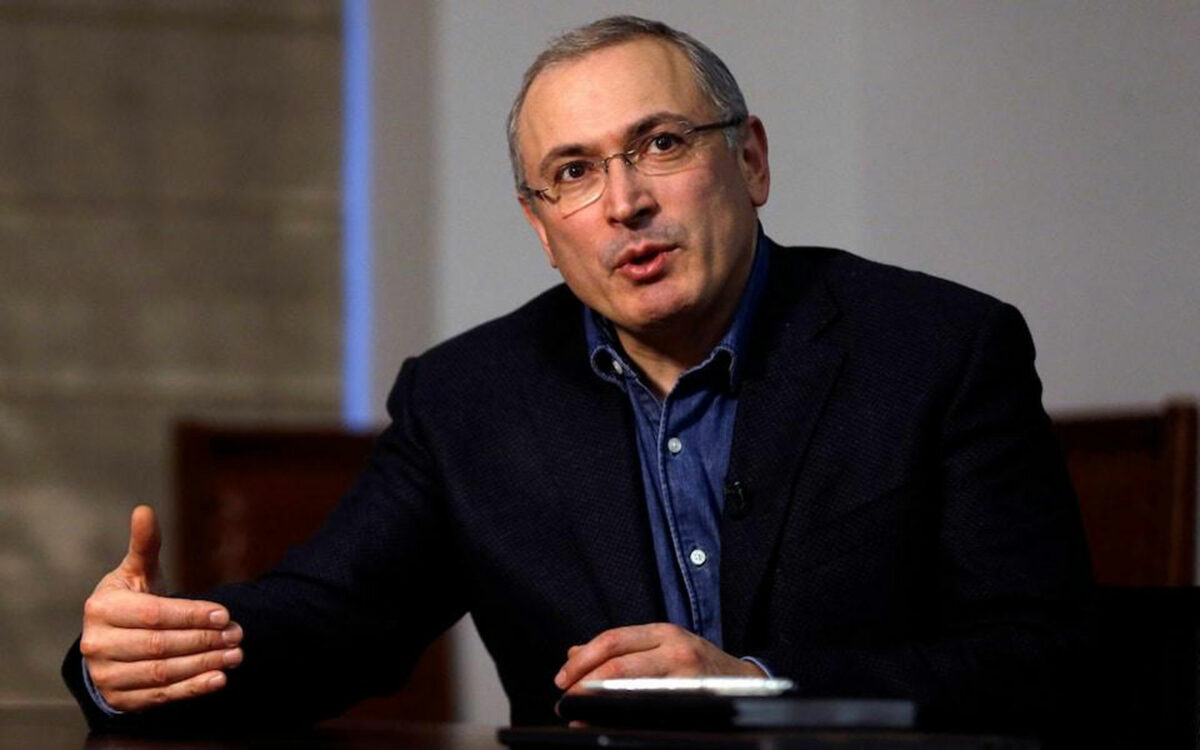
The Telegraph: Mikhail Khodorkovsky: Banning my book shows the fragility of Putin (EN)
Russian dictators don’t last long past the incumbent’s age of 73. Whether by age, incapacitation or insurrection, he will soon be gone
I recently received notice that my political manifesto for a liberal, democratic Russia – entitled How to Slay a Dragon – has been declared “extremist material” by the Kremlin.
This sanction, on a book that dares to proffer an alternative to Vladimir Putin’s authoritarian regime, is laughable. It also tells a highly informative story of the weakness and paranoia currently running through the Kremlin.
How to Slay A Dragon is a vision of Russia freed from the ruin of autocracy. It’s a vision of a decentralised, federal, parliamentary republic that shares the power previously concentrated in the hands of one man. Putin has shown us just how nervous he is that this vision might come true.
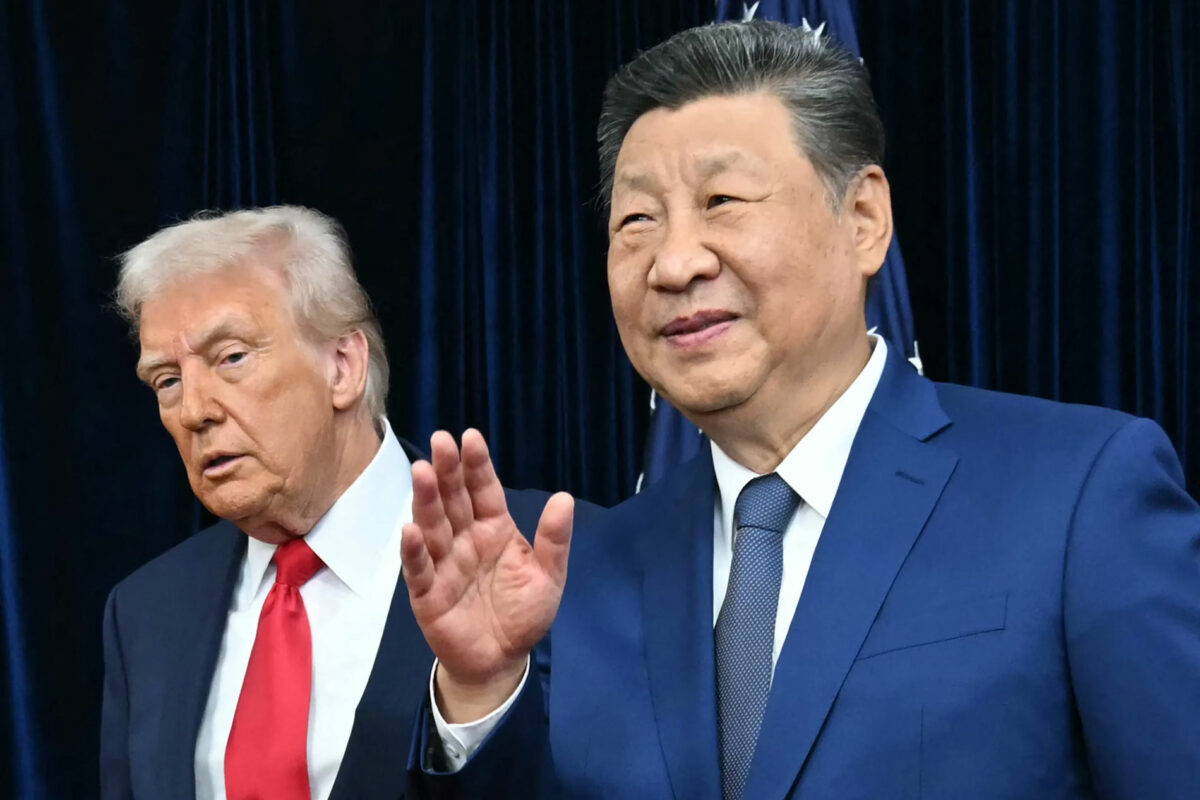
Politico Europe: Putin should worry about the Trump-Xi relationship (EN)
For Russia, the implications of a U.S.-China rapprochement — even if based on convenience rather than conviction — are profound.
The Russia-China partnership has no limits — if you believe the two countries’ leaders, that is. Reality, however, isn’t quite so cozy.
An uncomfortable marriage of convenience, theirs is a relationship limited by opposing goals: President Vladimir Putin’s Russia wants to tear down what remains of the post-Cold War international order and refashion it in the Kremlin’s own image. Whereas China’s contrasting gradualist approach to creating a Sino-centric global system requires preserving stability, predictability and the semblance of a rules-based order.
With Europe eyeing the U.S. administration warily, China now has an opportunity to cement a long-term accommodation with the old continent. And that gives Europe potential leverage to persuade China to distance itself from an unpredictable “ally” and curtail the Kremlin’s neo-imperial aggression. After all, Beijing has no interest in Putin’s continued destabilization of Europe.
Interviews:
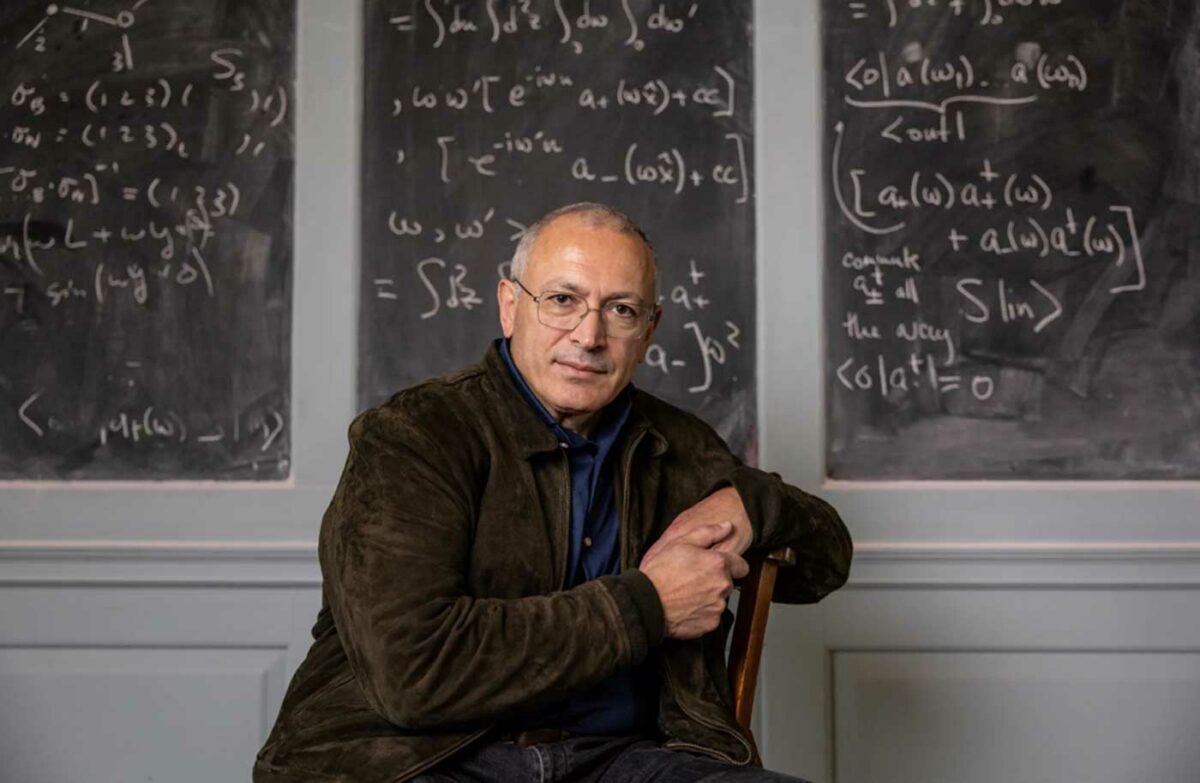
The Times and The Sunday Times: Give EU visas to Russiaʼs brightest to hollow out Putinʼs war machine (EN)
Kremlin critic Mikhail Khodorkovsky says Ireland must lead the way to a consolidation of European security policy during its term as president of the union
‘Iʼm afraid in the next five to ten years, Europe will be in a cold war with Russia,” Mikhail Khodorkovsky says. It is a grim forecast for the European Union; but for the man who once ran an energy empire, it is a mathematical certainty.
Ireland is preparing to assume the European presidency, when it will be tasked with hollowing out the Russian war machine. For Khodorkovsky, its role will be critical. His assessment is blunt: Europe is not prepared for the reality of the Russian state it is facing.
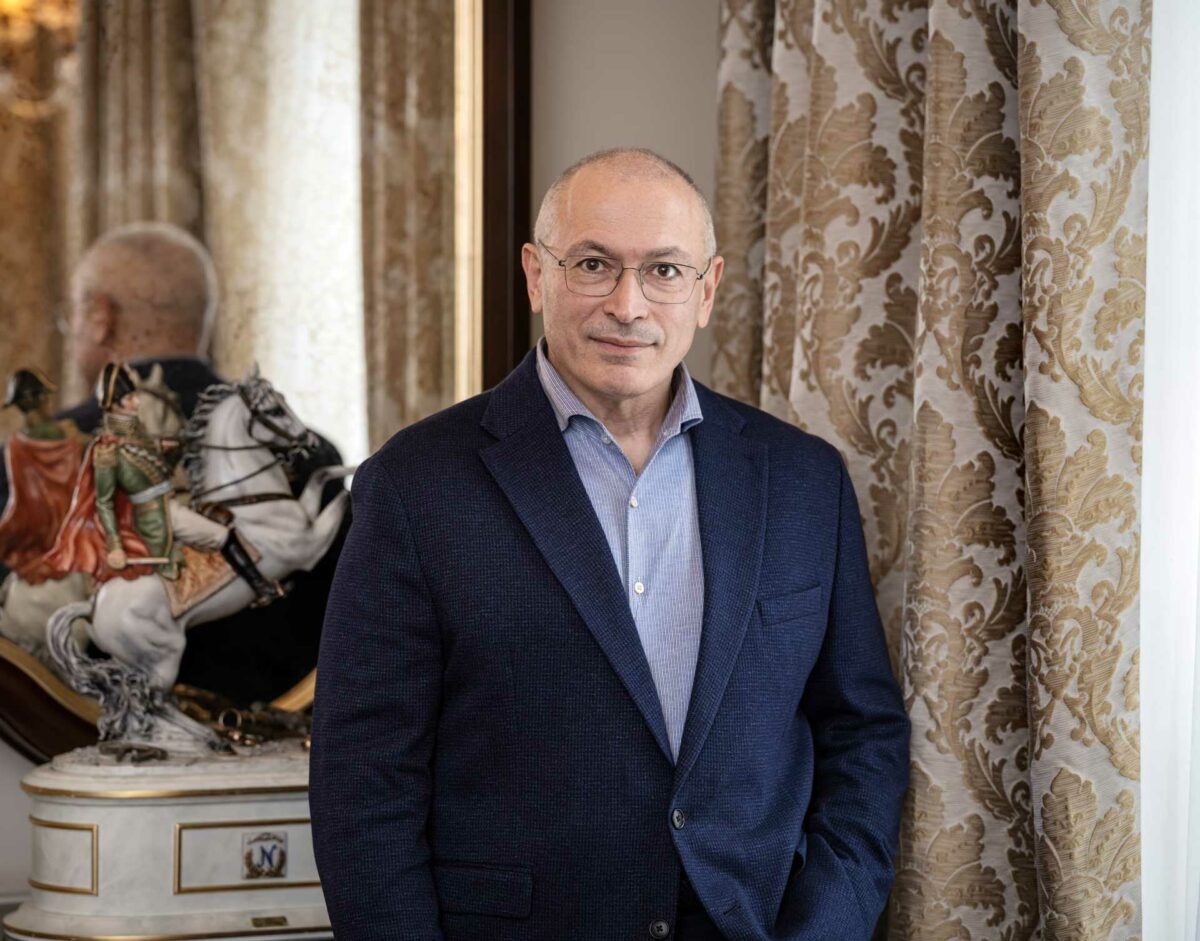
The Guardian: Putin likely to stage another Salisbury-style attack (EN)
Mikhail Khodorkovsky says Russian security services may seek to create a ‘sense of vulnerability’ in Britain
Vladimir Putin is likely to stage another Salisbury-style attack on UK soil unless the government adopts more aggressive tactics against the Kremlin, Mikhail Khodorkovsky has said.
He has emerged as a leading figure in Russian diaspora opposition circles and claims to be well-informed about current thinking and developments among Moscow’s elite.
But Khodorkovsky said Putin had not built a regime that could survive beyond his own death or decline. “After Putin in Russia, the system will have to be totally demolished and reconstructed, built from scratch,” he said. “The interval for real changes, the expectations is from about five to seven years from now.”
Asked whether he could imagine returning to Russia, Khodorkovsky said: “I’m 11 years younger than Putin. So I do have a chance.”
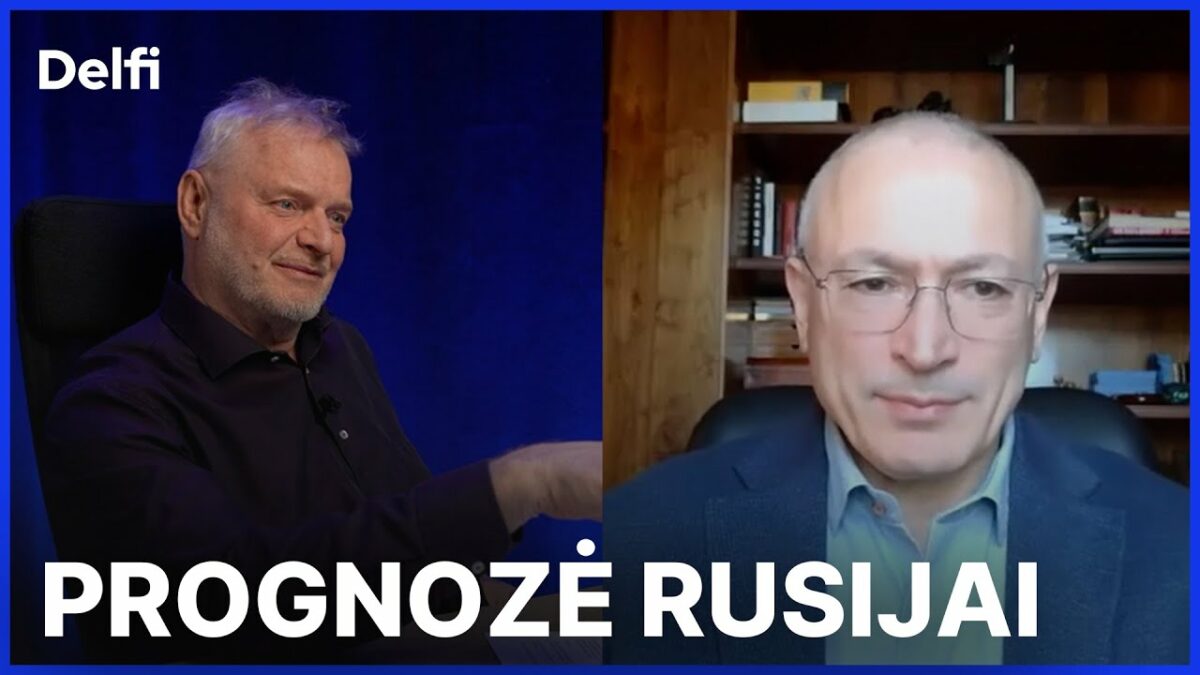
Delfi: Khodorkovsky’s prediction for Russia: we won’t see democracy for another 20 years (EN)
In this in-depth interview, Mikhail Khodorkovsky discusses Russia’s future after Vladimir Putin, the prospects for democracy, possible scenarios for a change in power, and the West’s mistakes in assessing Russia’s political system. In his opinion, even after Putin’s departure, rapid systemic changes should not be expected – according to him, this will require a generational change and a long period of time. Khodorkovsky states bluntly: “If we are talking about a change of power to a real European-style democracy, I fear that after four years of war, this has become highly unlikely – at least for the next 20 years.”
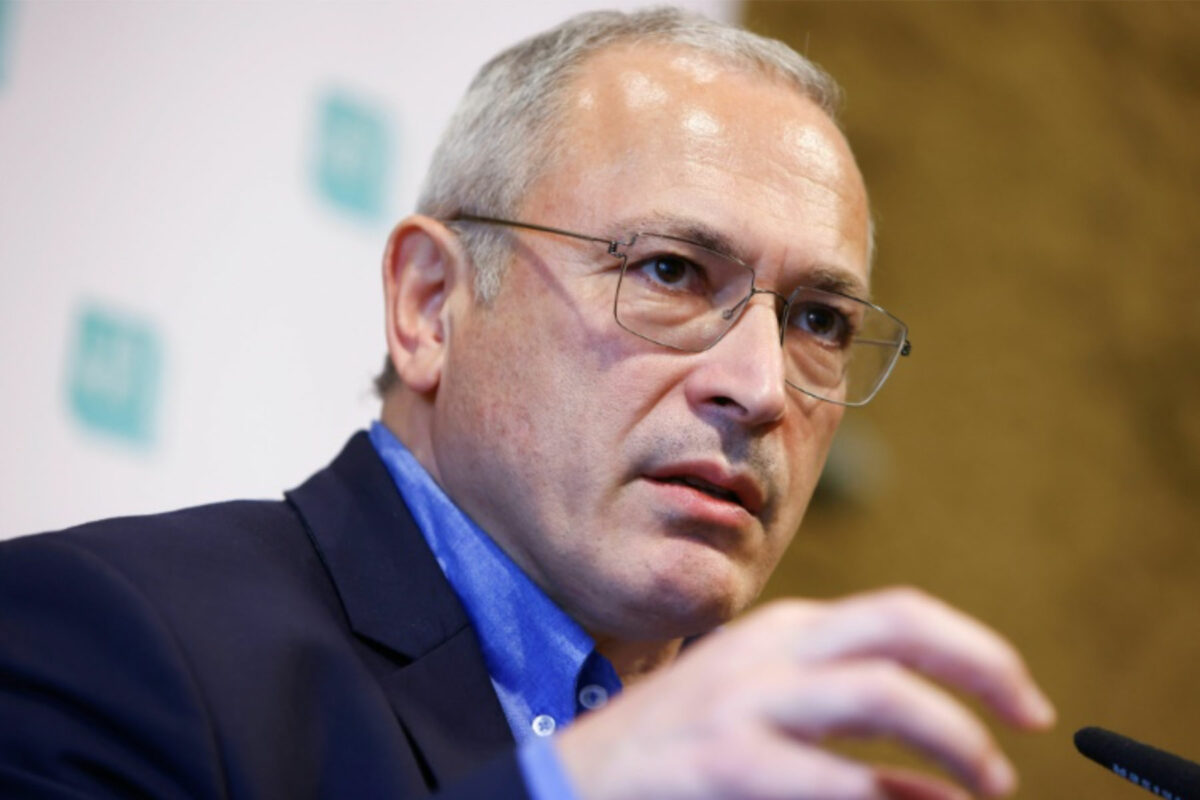
France 24: Europe should speak to Russia with ‘one voice’, Putin foe says (EN)
Europe could be facing a period of prolonged tensions with Russia reminiscent of the Cold War, and should speak to Moscow with “one voice” to get its interests heard, Kremlin critic Mikhail Khodorkovsky told AFP on Friday.
“I am absolutely sure that in the next five to 10 years, Europe will face a cold war with Russia, which will most likely be combined with a hybrid war,” Khodorkovsky told AFP on the sidelines of the Munich Security Conference.
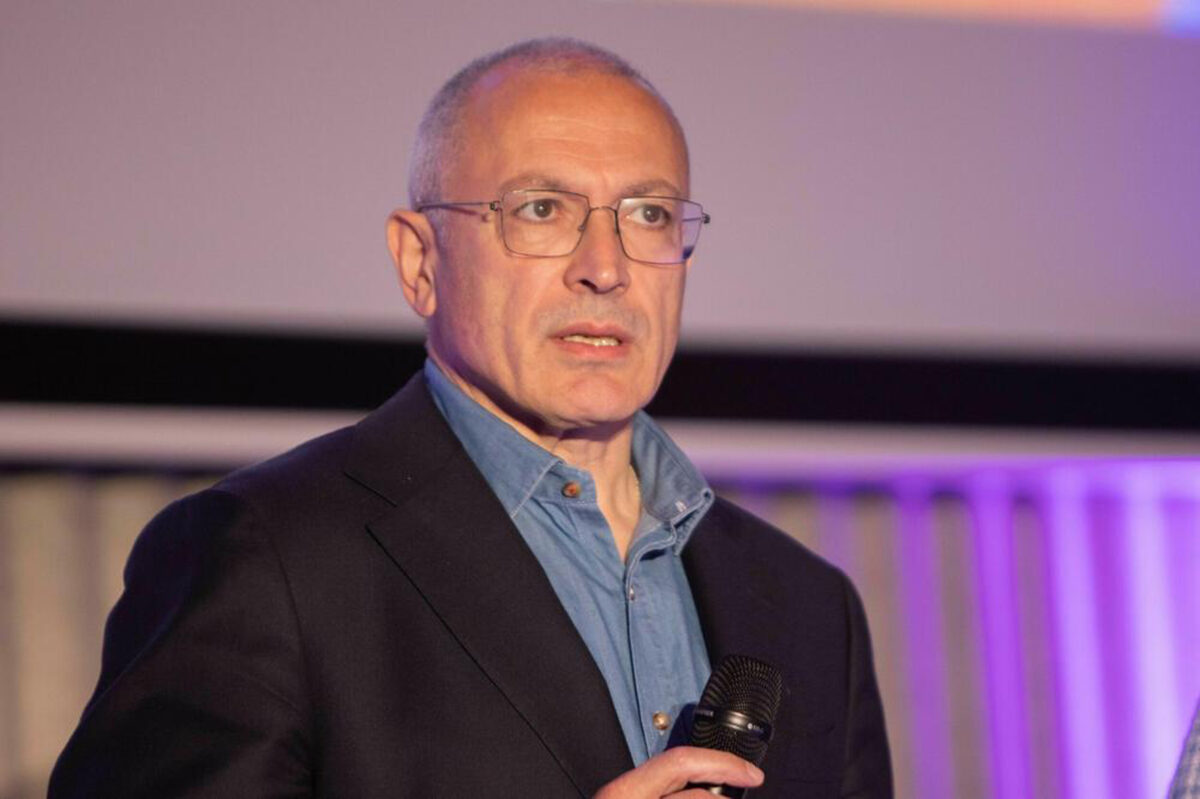
Vijesti: Khodorkovsky exclusively for ‘Vijesti’: The Balkans remains a space for a Russian geopolitical experiment (Montenegrin/English)
From Russia’s richest man to a political prisoner – one of Vladimir Putin’s most famous critics analyses the Kremlin’s strategy towards Montenegro, the EU and the region, for Vijesti, and speaks about the hybrid, yet new Cold War in Europe.
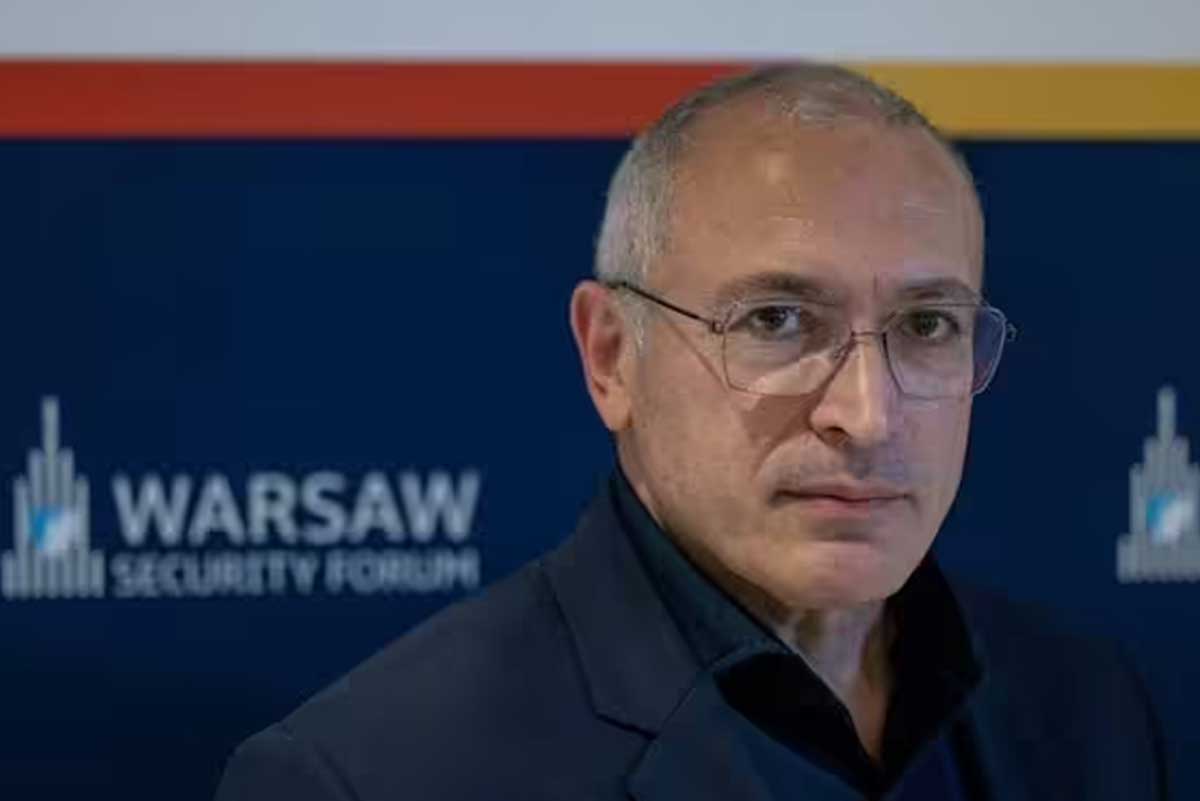
La Stampa and the HuffPost: Mikhail Khodorkovsky: “Putin needs a permanent war”
Mikhail Khodorkovsky told La Stampa that he does not share the optimism of those who see an imminent end to hostilities. The Russian president is like “a gambler, always hoping the next card will be the winning one.” And he warned Europeans: “After Ukraine, he will attack you.”
In an interview with La Stampa, dissident Mikhail Khodorkovsky, speaking from his London office, analyses the geopolitical scenario and the prospects for peace in Ukraine, arguing that for the Kremlin leader the conflict has become an essential political necessity since “Vladimir Putin has long since abandoned the pragmatism of his early days in power” and now “for him the Donbas is a question of ideology, of principle and also of survival in power”.
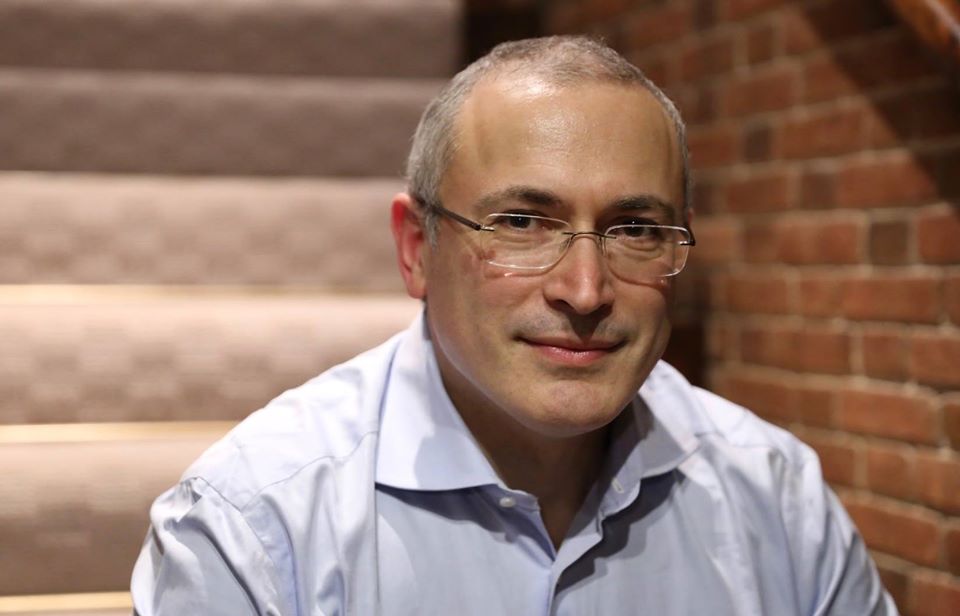
MarketWatch: He was Russia’s richest man and spent 10 years in the gulag. Mikhail Khodorkovsky on Ukraine, Putin and failed talks to merge with a U.S. oil giant (EN)
In an exclusive interview with MarketWatch, Khodorkovsky said that Russian President Vladimir Putin has no serious interest in putting an end to the war right now, having long since abandoned the pragmatism that characterized his earlier years. An article posted on Khodorkovsky’s think tank’s website explains more fully why he thinks the Kremlin is in no rush.
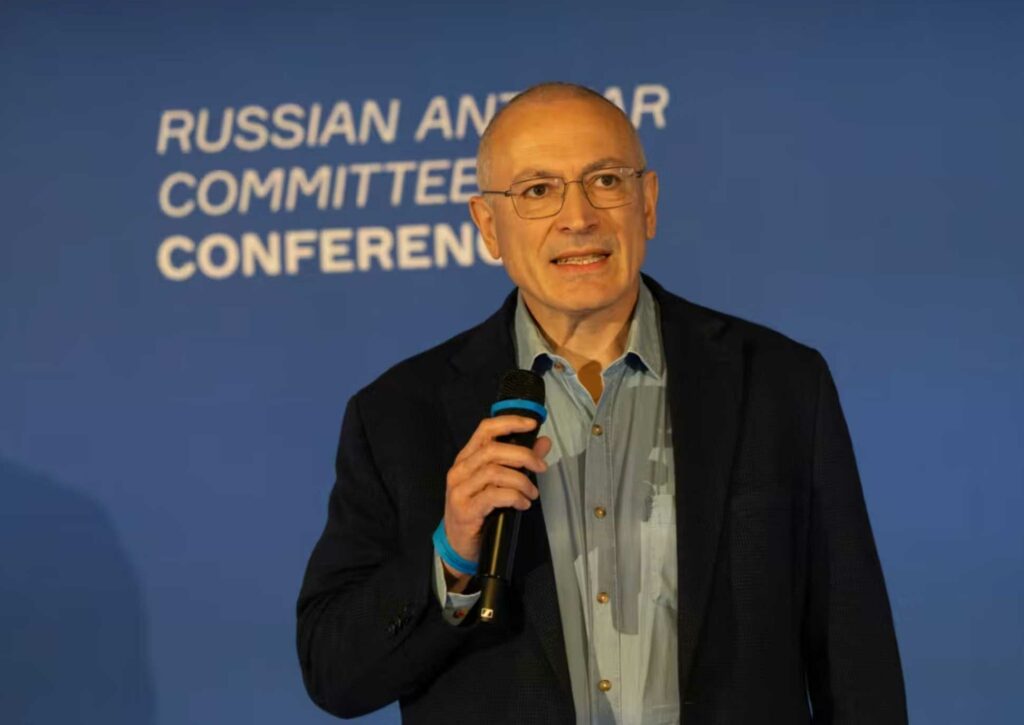
Le Monde: Mikhail Khodorkovsky declared “terrorist” by Kremlin (FR)
The Parliamentary Assembly of the Council of Europe voted to create a “platform of dialogue” with the “Russian democratic forces in exile”. His first interlocutor: Mikhail Khodorkovsky, an influential figure of the opposition to Vladimir Putin.
Imprisoned for ten years in Siberia, in exile in London for a decade, Mikhail Khodorkovsky, 62, has just found himself on the list of “terrorists” wanted by the Kremlin. “I prefer to laugh about it,” Khodorkovsky, who has become one of the main figures of Russian dissent abroad, said.
“From the outset, we agreed on this consensus: to oppose, but without resorting to force. Quite a paradox today. Here we are, being prosecuted by Russia for radical methods that we have always rejected!”